2026 Seed Grant Awards
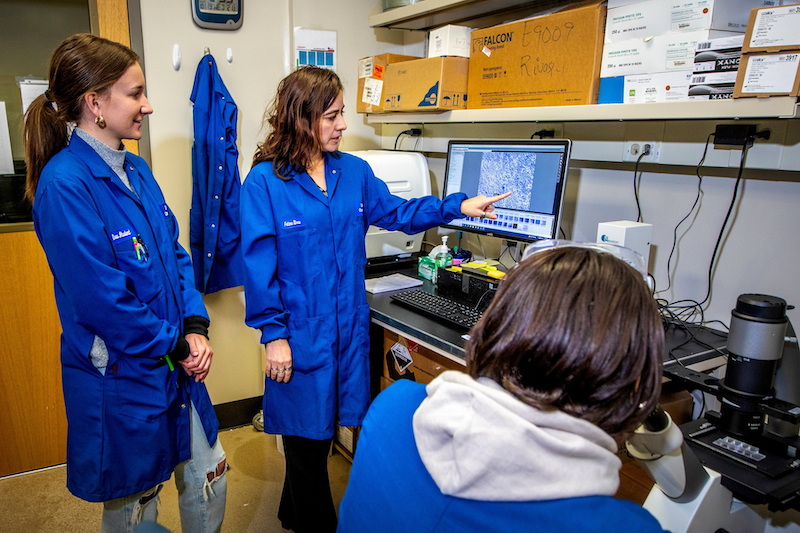
Pictured: Dr. Fatima Rivas, seed grant recipient, centered.
Every advance in cancer treatment and prevention starts with an idea. The Louisiana Cancer Research Center (LCRC) is encouraging innovation by providing funding so these ideas can become a reality, with the hope of yielding a discovery.
Six of our state’s scientists are pursuing novel theories that could one day transform what we know about cancer, thanks to seed funding each received from the LCRC in January. This early funding enables them to generate critical preliminary data and advance their research—positioning them to compete for larger, externally funded grants.
The Seed Grants were awarded to LCRC active members and faculty for projects related to the Louisiana/Gulf Coast region. Funds were awarded to high-impact projects that advance the LCRC's mission and strengthen its collaborative research community.
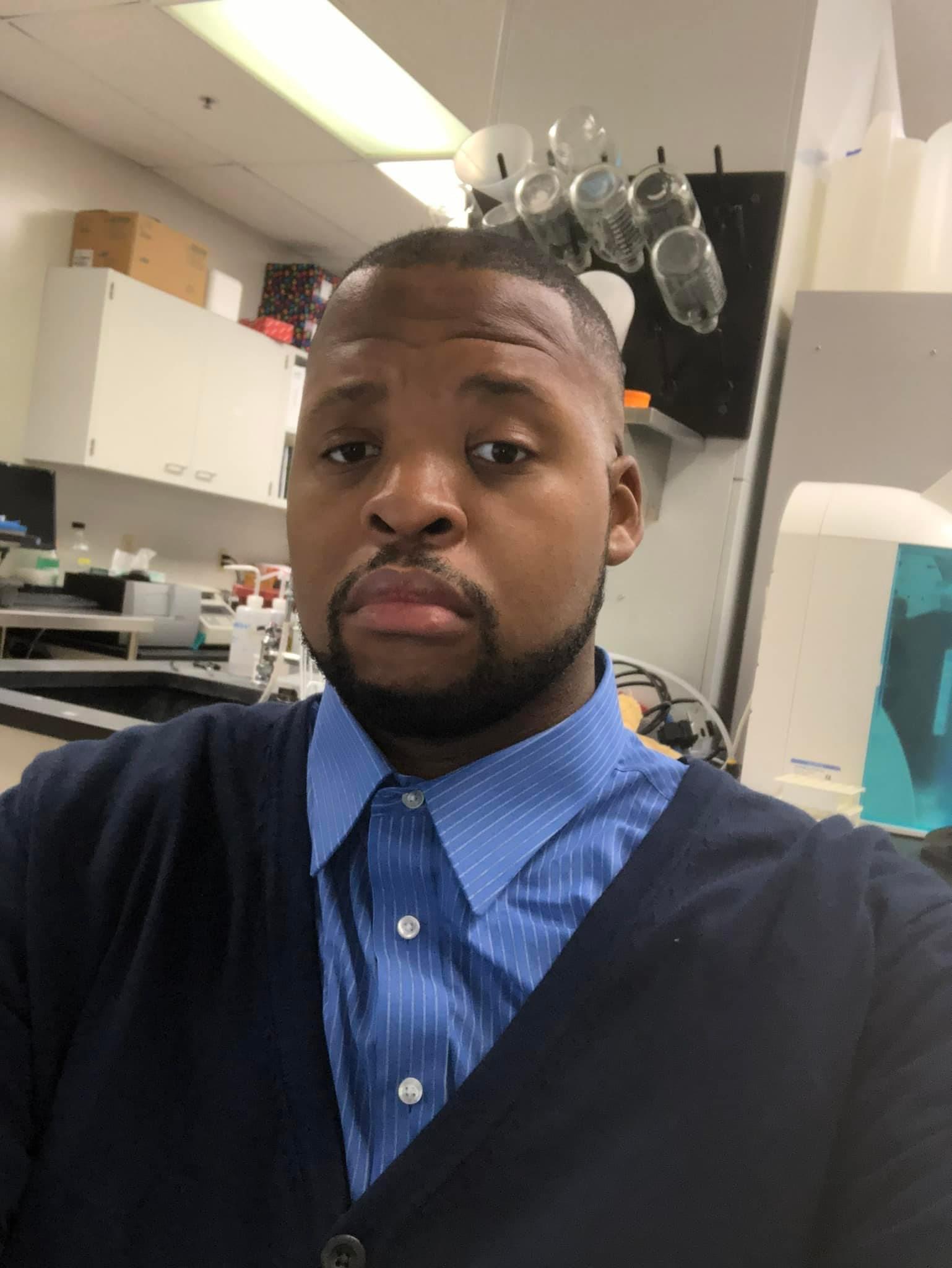
Christopher Bolden, PhD, Assistant Professor, Department of Biology at Xavier University of Louisiana will focus on SorLA, a promising but understudied target in glioblastoma, an aggressive form of brain cancer. The funds will be used to power experiments in an innovative 3D human blood–brain barrier model that recreates key features of the glioblastoma tumor microenvironment.
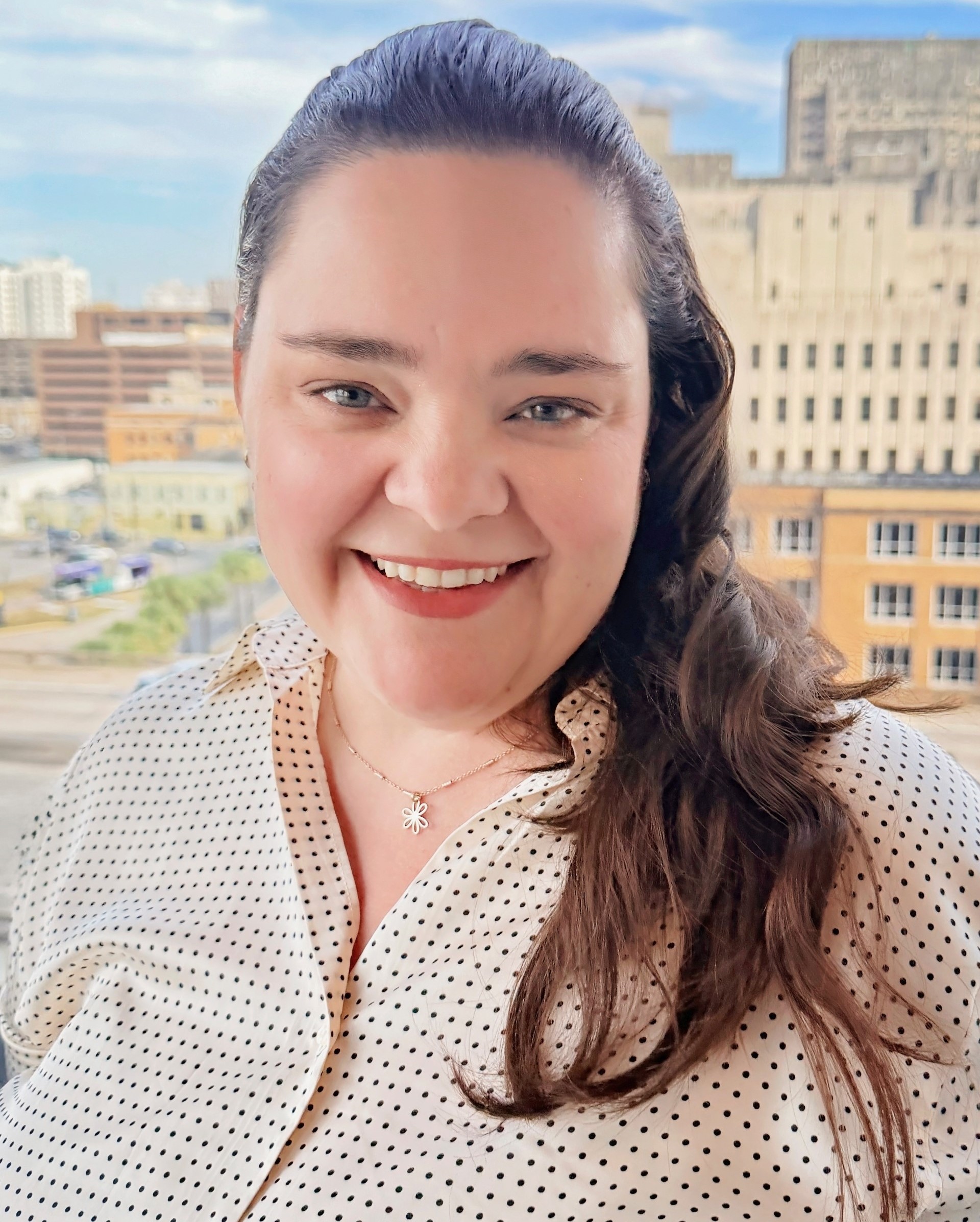
Elisa Ledet, PhD, Tulane Cancer Center, aims to use an advanced blood test called circulating tumor DNA (ctDNA) that can detect fragments of cancer DNA in the bloodstream with advanced computer modeling to better understand how lethal prostate cancer changes in response to treatment.
.jpg)
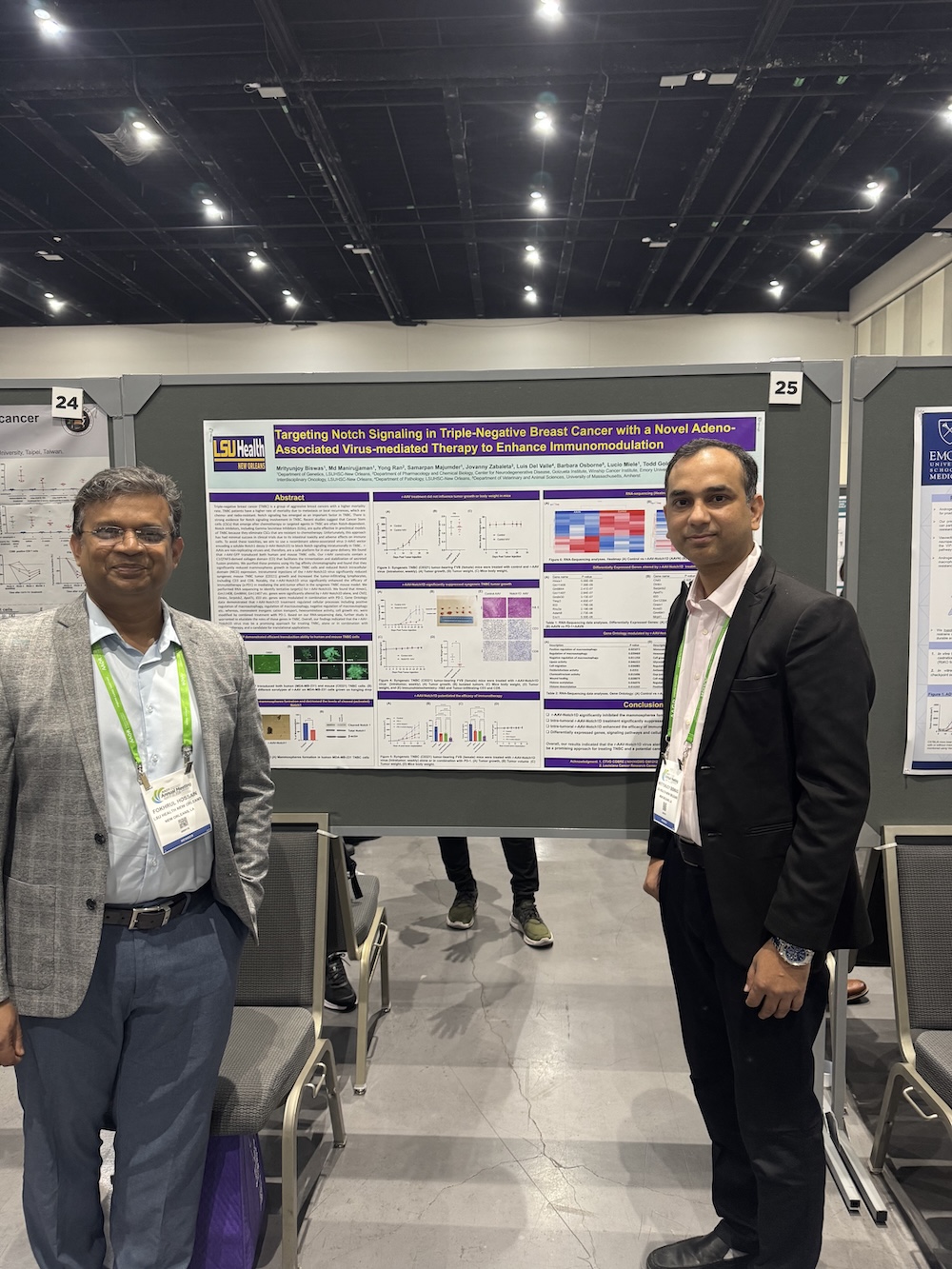
Zhipin Liang,PhD, LSU Health Sciences Center New Orleans, will use the funds to support research on characterizing tumor microenvironment and developing novel anti-cancer immunomodulating agents for triple-negative breast cancer. His work focuses on Niclosamide-derived small molecules as immune modulators to enhance the effectiveness of immune checkpoint blockade therapy.
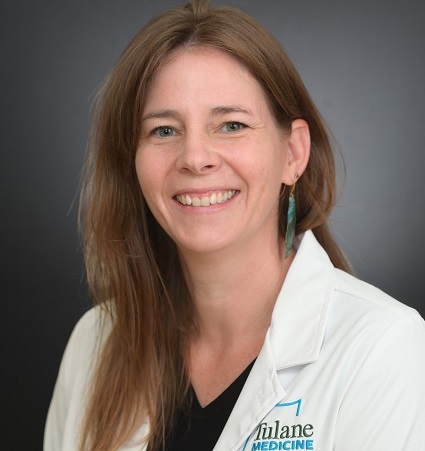

Elizabeth Martin, PhD, Tulane Cancer Center and Manas Gartia, PhD, LSU Department of Mechanical and Industrial Engineering, are collaborating on development of more realistic models of breast cancer. Using advanced 3D models that better mimic real breast tissue, their project focuses on how the tissue surrounding a tumor, especially changes that occur with age, can influence how breast cancer grows and responds to treatment.
%20(002).jpg)
Fatima Rivas, PhD, LSU College of Science, is studying a short-lived cholesterol-like intermediate that forms inside the body and can act as a molecular “Trojan horse,” disrupting cancer cell survival. In early laboratory experiments, this oxidized molecule slowed the growth of colorectal cancer cells while having less impact on healthy tissue, and researchers are now working to confirm the results and identify its cellular targets.
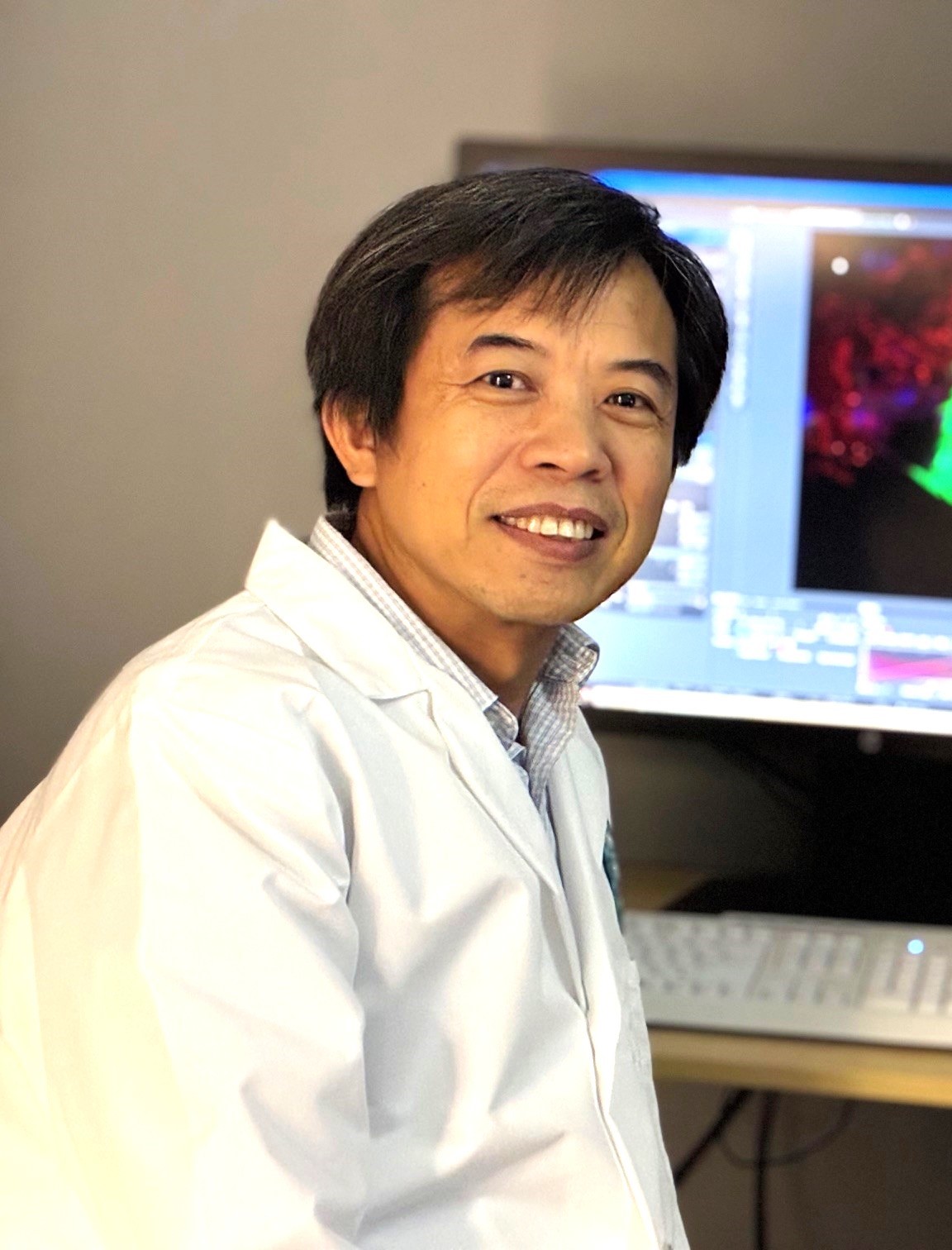
Aiguo Tian, PhD, Tulane Cancer Center, is studying how bacterial infections may contribute to colorectal cancer. Using the fruit fly, a powerful model for studying human disease, Dr. Tian’s research explores how infections can trigger intestinal stem cells to grow and multiply.
Seed funding is vital for launching new and novel research projects, especially those that are too early-stage or high-risk to attract traditional extramural support. These funds from the LCRC enable investigators to generate critical preliminary data, refine their hypotheses, and establish proof of concept, all of which strengthen the competitiveness of subsequent grant applications. Seed support often leads to early publications and presentations that increase the project’s visibility and credibility within the scientific community. By bridging the gap between an innovative idea and a fully funded research program, LCRC seed funding plays a pivotal role in unlocking larger extramural investments and accelerating scientific discovery.